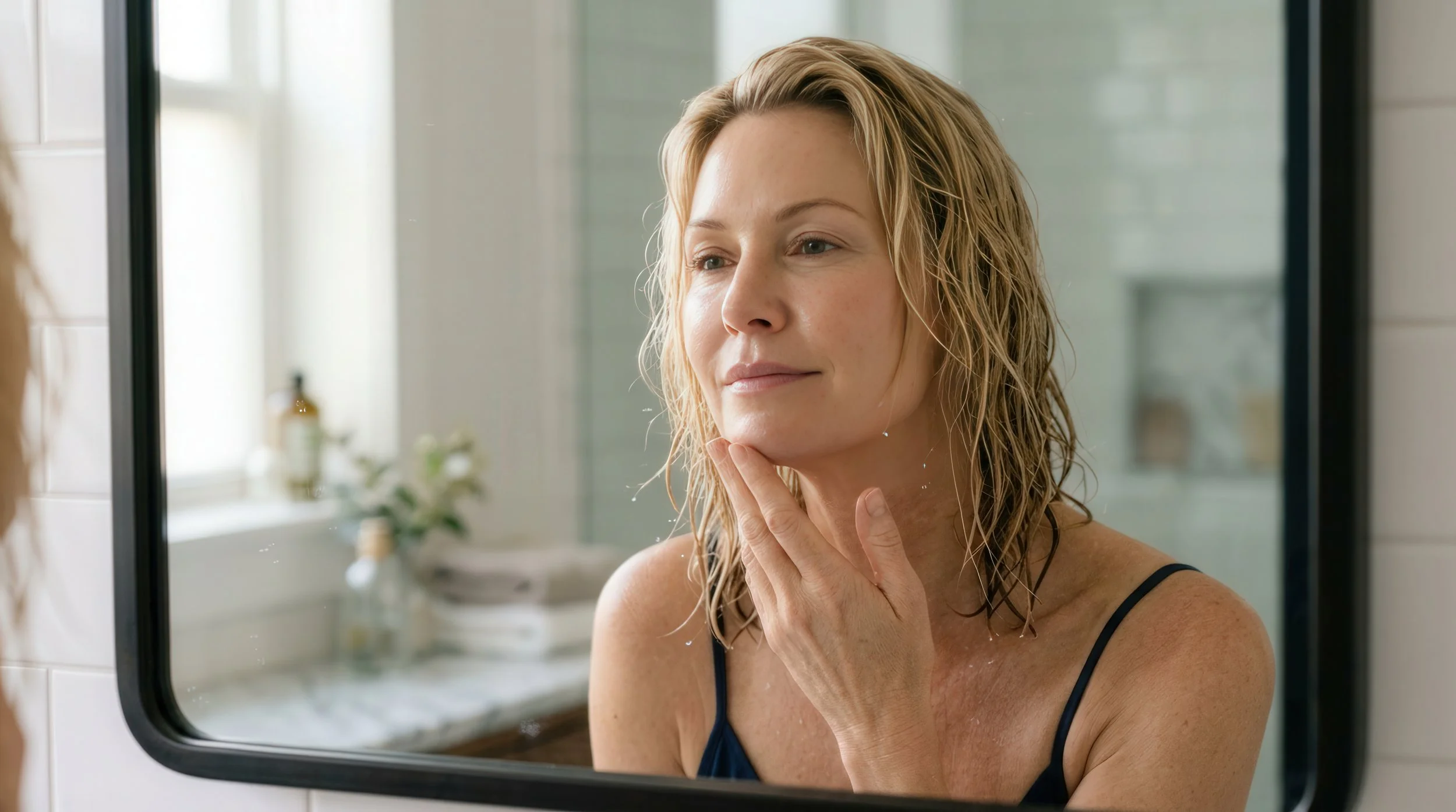
Have you ever caught your reflection and thought, “When did my jawline get softer?” Maybe the skin under your chin feels a little loose, your brows look slightly lower, or your neck simply does not feel as firm as it used to. These changes are completely normal but that does not mean you have to love them.
If you would like a more lifted, refreshed look but are not ready for cosmetic surgery, Ultherapy may be worth exploring. This non-surgical skin tightening treatment uses focused ultrasound energy to encourage your body to make new collagen. The result develops gradually, so you still look like yourself just a little firmer and more refreshed.
Of course, Ultherapy is not the only option. VirtueRF Microneedling, CoolPeel Laser Skin Resurfacing, Dermal Fillers, and surgical facelifts all address aging skin in different ways. Let’s break down what each treatment does, where Ultherapy fits, and how to decide which approach may be right for you.
What Is Ultherapy, Exactly?
Ultherapy is an FDA-cleared, non-invasive treatment designed to lift the brow and skin on the neck and under the chin. It is also cleared to improve lines and wrinkles on the décolletage.
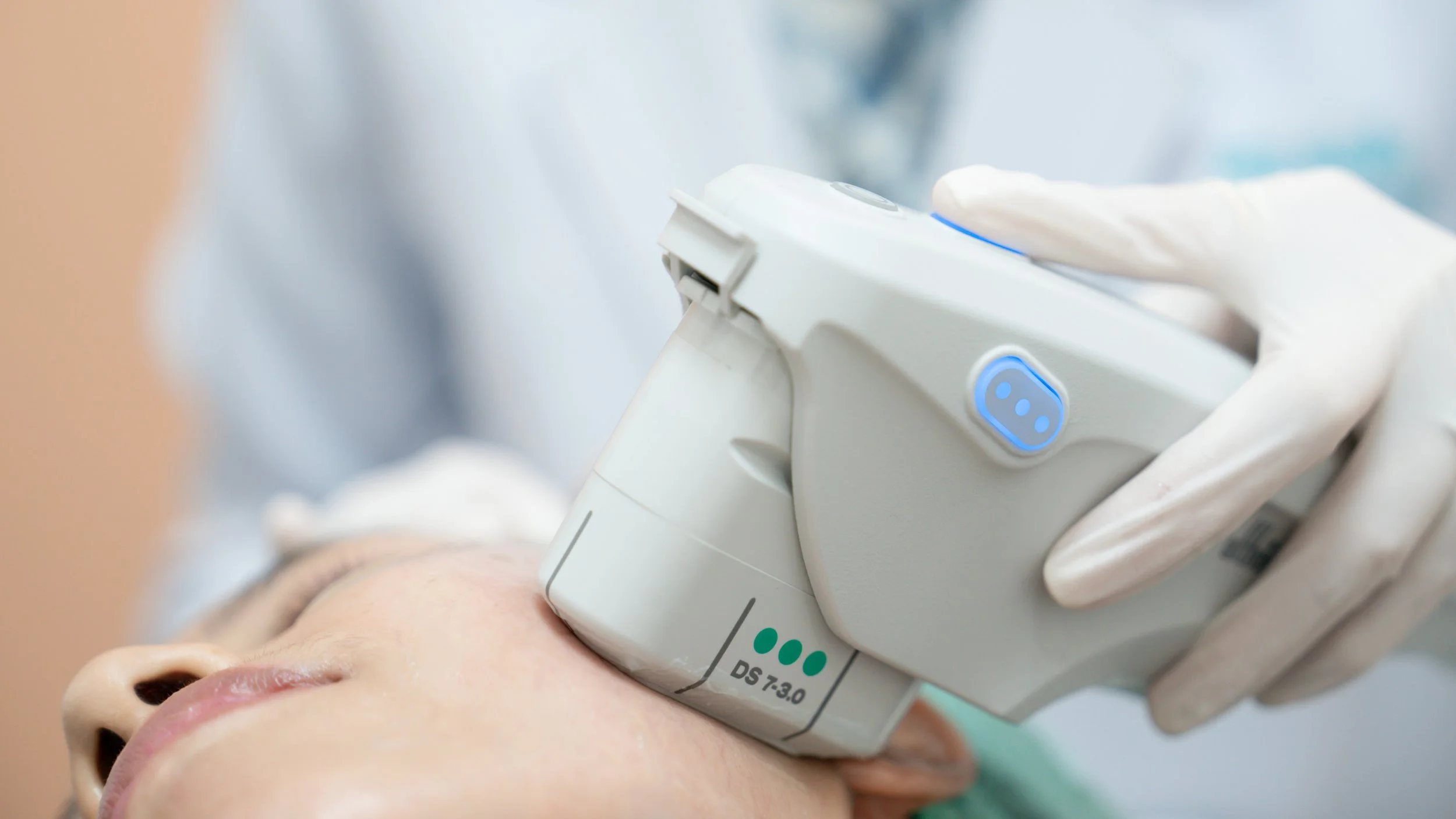
Here is the simple version of how it works: Ultherapy uses micro focused ultrasound energy to reach deeper layers of tissue without cutting or damaging the surface of your skin. Your provider can actually see the tissue layers during treatment using medical imaging, so the ultrasound technology can be delivered to the intended depth in real time.
Those tiny points of heat can reach up to 5 millimeters deep, and the device uses heat energy to trigger collagen production. This thermal effect initiates neocollagenesis. Because collagen gives skin much of its firmness and structural support, creating more of it can help the treated area look tighter and subtly lifted over time.
Unlike a surgical procedure, Ultherapy does not involve incisions, general anesthesia, or skin removal. It is performed in the office, and as a non-invasive procedure and non-surgical procedure, it typically takes 30 to 60 minutes depending on the area treated. Most people can return to their day afterward.
What Can Ultherapy Help With?
Ultherapy is often a good match for early to moderate skin laxity, the stage when you notice changes, but you do not have a significant amount of excess skin. It may help with:
A brow that seems a little lower than it used to
A softer or less-defined jawline
Loose skin beneath the chin
Mild to moderate skin laxity on the neck
Lines and wrinkles across the décolletage
Facial skin that no longer feels as firm
Think of Ultherapy as a subtle lift, not a dramatic transformation. It can help tighten skin and create a more youthful appearance, but it is not intended for dramatic lifting the way a surgical facelift is. The best way to know whether your skin falls into that “just right” range is through an in-person consultation.
What Does an Ultherapy Treatment Feel Like?
Before treatment begins, your provider will look at your skin, facial structure, areas of concern, and goals. From there, they will create a treatment plan designed specifically for you.
During the treatment, the device delivers ultrasound energy at carefully selected depths beneath the skin to deliver heat into deeper tissue layers. Everyone experiences it differently, but patients report brief pulses of warmth, tingling, or a quick prickly sensation as the energy is delivered. Your provider can talk with you ahead of time about comfort options and what to expect.
One of the biggest advantages is the minimal downtime. You may have temporary redness, mild swelling, tenderness, tingling, or sensitivity, and side effects can also include bruising or temporary numbness in treated areas, but most patients return to their normal routine right away. As with any cosmetic treatment, your provider will review your health history, candidacy, and possible risks beforehand.
When Will I See Results?
Ultherapy is not an instant gratification treatment and for many people, that is part of its appeal. Because it works by encouraging natural collagen production, your results appear gradually rather than overnight.
Some patients notice an early change, but most patients notice visible improvement about 1 to 3 months after treatment as collagen remodels. The more visible lifting and firming usually develops over the next few months as new collagen forms and strengthens. Friends may think you look rested or refreshed without being able to pinpoint exactly what changed.
Results often last 1 to 2 years, though longevity varies from person to person. Your age, skin laxity, lifestyle, treatment area, and natural collagen response all play a role in maintaining optimal results. Limiting sun exposure can also help support longer-lasting effects. Since the aging process continues, an occasional maintenance treatment may be recommended.
Ultherapy vs. VirtueRF Microneedling
Ultherapy and VirtueRF both stimulate collagen, but they shine in different areas.
VirtueRF is an RF microneedling treatment. It uses very fine needles while radiofrequency heat energy is delivered into the skin to trigger collagen production and help keep skin firm, acting in the epidermal layers and deeper tissue. This makes it a strong option when your wish list includes smoother texture, softer fine lines, smaller-looking pores, acne-scar improvement, and firmer skin.
Ultherapy does not use needles. Its focused ultrasound energy reaches deeper, targeted tissue layers, so it is chosen more specifically for lifting and tightening mild to moderately loose skin.
An easy way to think about the difference is this: if lifting is your main goal, Ultherapy may be the better fit. If texture and overall skin quality are high on your list, VirtueRF may make more sense, and RF can also affect fibrous tissue when the goal is firmness and texture improvement. VirtueRF is commonly performed as a series and may leave temporary redness or mild swelling, while an Ultherapy treatment plan may begin with one session.
Ultherapy vs. CoolPeel Laser Skin Resurfacing
CoolPeel and Ultherapy address different skin concerns. CoolPeel is a gentle fractional CO₂ laser resurfacing treatment designed to improve the skin’s surface, including fine lines, sun damage, uneven tone, enlarged pores, acne scars, and rough texture. It also stimulates collagen production, helping the skin look smoother and more refreshed over time.
Ultherapy works below the skin’s surface and focuses more on lifting and tightening areas such as the brow, jawline, under the chin, and neck. CoolPeel focuses more on how the surface of your skin looks and feels.
So, are you hoping to lift a softer jawline or tighten loose neck skin? Ultherapy may be the better starting point. If you’re more bothered by texture, fine lines, enlarged pores, or sun damage, CoolPeel may be a better match. If you have both concerns, your provider may recommend incorporating both treatments at different times as part of a personalized plan.
Ultherapy vs. Dermal Fillers
This comparison comes down to lift versus volume. Dermal fillers replace or enhance volume. They can soften folds, support facial contours, and restore areas that have started to look flatter or more hollow with age. A “liquid facelift” generally uses strategically placed injectables to create a more refreshed appearance without surgery.
Ultherapy does not add volume. Instead, it helps strengthen and tighten your existing tissue by triggering collagen production.
For some people, the best answer is not one or the other. Ultherapy may address skin laxity while dermal fillers restore volume. When combination treatments make sense, careful planning and timing are important so each one can do its job beautifully.
Ultherapy vs. a Surgical Facelift
It is important to be honest about this comparison: Ultherapy cannot create the same results as a surgical facelift.
Ultherapy is best suited for a gradual, natural-looking lift when skin laxity is mild to moderate. A surgical facelift can reposition deeper facial tissue, tighten underlying structures, and remove excess skin, creating a more dramatic and longer-lasting change—especially when sagging is advanced.
A facelift also involves anesthesia, incisions, scars, and a significantly longer recovery. Even a mini facelift is still surgery. Thread lifts offer a less invasive option, but they do not replace surgery for advanced skin laxity.
Ultherapy may appeal to younger patients beginning to notice skin changes, anyone hoping to postpone plastic surgery, or those who cannot accommodate surgical downtime. If you have considerable excess skin or want a more dramatic lift, consulting a board-certified plastic surgeon may be the most appropriate next step.
Can Ultherapy Be Combined With Other Treatments?
Absolutely, when it makes sense for your skin, many cosmetic procedures can be combined when timing and candidacy are appropriate. Most of us do not have just one skin concern. You might notice laxity along your jawline, sun damage on your cheeks, and lost volume at the same time.
A customized plan might use Ultherapy for lifting, VirtueRF Microneedling or CoolPeel for texture and skin quality, dermal fillers for volume, and chemical peels for surface renewal depending on the skin concerns being treated. That does not mean everything should happen during one appointment. Giving your skin time to respond between treatments can help support the best possible results.
How Do I Choose the Right Skin Tightening Option?
You do not need to arrive at your consultation knowing exactly which treatment you want. Start with what you notice in the mirror and what you would like to improve.
Is your main concern loose skin, lost volume, uneven texture, scars, discoloration, or a combination?
Is your skin laxity mild, moderate, or more advanced?
Which area bothers you most?
Are you comfortable waiting for gradual, collagen-building results?
How much downtime fits your schedule?
Do you want a subtle refresh or a more dramatic change?
Are you comfortable with ongoing maintenance treatments?
Your medical history, skin type, current skin conditions, previous cosmetic treatments, and expectations also matter. A good consultation should feel like a conversation—not a sales pitch—and leave you with a clear understanding of which treatment is being recommended and why.

Frequently Asked Questions About Ultherapy
Does Ultherapy hurt?
Comfort varies. You may feel warmth, tingling, or quick pulses of discomfort as the ultrasound energy is delivered. Your provider can explain the sensation and discuss comfort measures before your appointment.
How many treatments will I need?
Many patients begin with one Ultherapy treatment, but the number of treatments needed for optimal results depends on the area treated and your individual response. Your degree of skin laxity, existing collagen, goals, and individual response will determine whether future maintenance treatments would be helpful.
Is there downtime?
Ultherapy generally has little to no downtime. Some people experience temporary redness, swelling, tenderness, tingling, or sensitivity, but most return to their usual activities right away.
Can Ultherapy be used on different skin tones?
Because the focused energy is delivered beneath the surface rather than targeting pigment, Ultherapy may be appropriate across a range of skin tones and skin types. A personal consultation is still important to make sure it is appropriate for your skin and health history.
Can Ultherapy replace a facelift?
No. Ultherapy is for a subtler, non-surgical lift, especially when skin laxity is mild to moderate. It cannot reproduce the degree of correction possible with cosmetic surgery.
Ready to Learn Whether Ultherapy Is Right for You?
There is no single “best” skin tightening procedure—only the option that best fits your skin, concerns, lifestyle, and goals. Ultherapy is a wonderful choice for people who want gradual lifting and tightening without surgery or significant downtime. VirtueRF Microneedling, CoolPeel Laser Skin Resurfacing, Dermal Fillers, and surgical options each have their own strengths.
At The Spa House in Acworth, your consultation is the place to talk honestly about what is bothering you and what kind of result you hope to see. Together, we can create a personalized plan that helps you look refreshed, confident, and completely like yourself.
Schedule your Ultherapy consultation with The Spa House today.
Individual results vary. A consultation is required to determine candidacy. This article is for general educational purposes and is not a substitute for medical advice.