

If you’ve been exploring skin resurfacing treatments to improve skin texture, reduce fine lines, or brighten uneven skin tone, you’ve probably come across two popular options: BioRePeel and the traditional chemical peel.
Both treatments help remove dead skin cells, encourage collagen production, and reveal new skin underneath. But they work in different ways and are suited for different skin concerns, recovery timelines, and lifestyles.
At The Spa House, we help clients understand their options so they can choose the right cosmetic treatment for their skin goals—especially when preparing for weddings, vacations, and spring events.
While some clients may consider aggressive treatments for more severe skin concerns, options like BioRePeel and traditional chemical peels offer effective results with less downtime and risk.
Let’s break down the differences between BioRePeel and traditional chemical peels so you can decide which approach might be right for you.
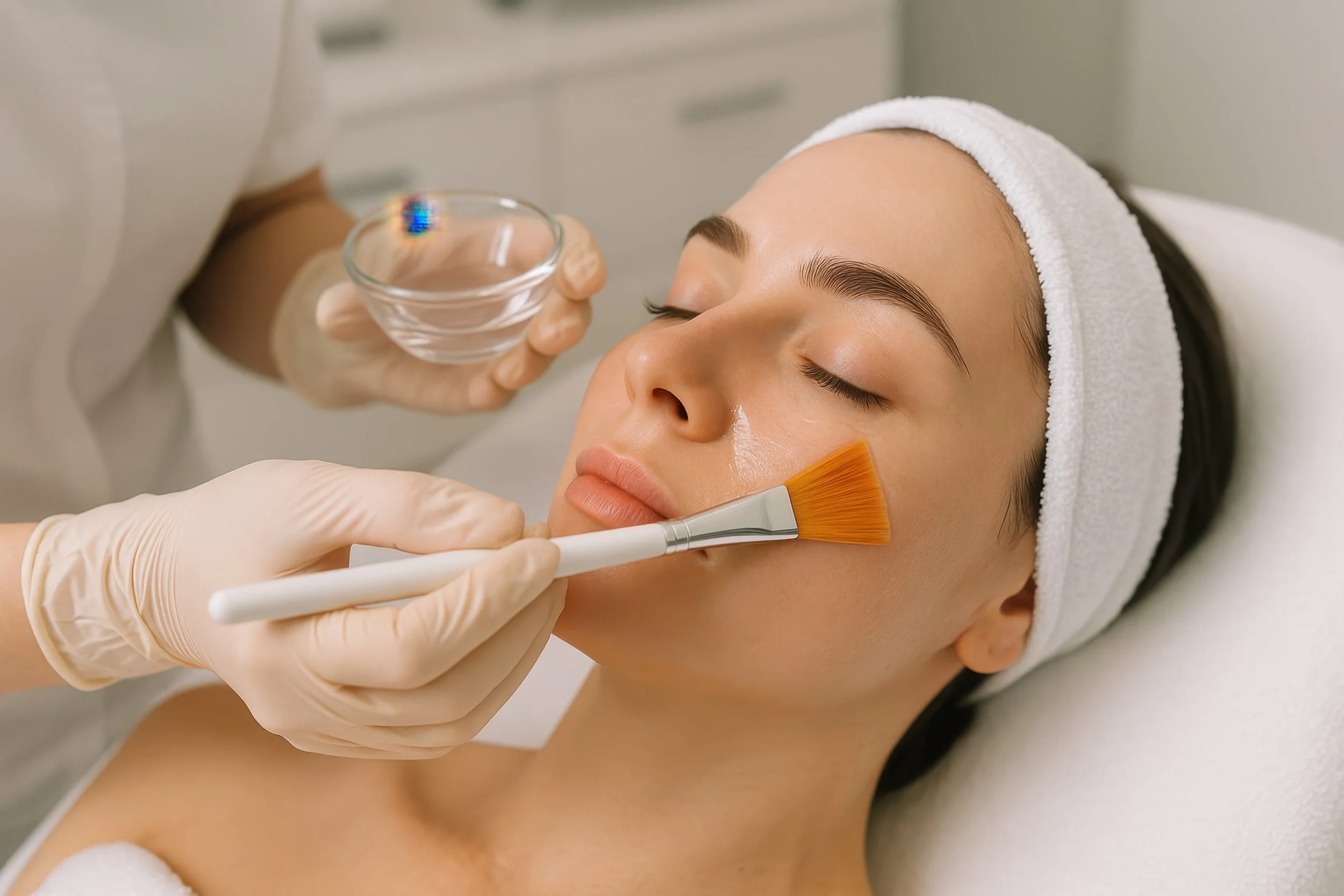
Understanding Chemical Peels
A chemical peel is a professional skin resurfacing treatment that uses a carefully formulated chemical solution to remove the outermost layer of damaged skin from the skin's surface. As the treated skin renews itself, healthier skin cells replace older ones, revealing smoother skin and a more even complexion.
Chemical peels can improve many common skin conditions, including:
Uneven skin tone
Sun damage
Fine lines
Acne scars
Enlarged pores
Age spots
Rough skin
As the skin heals, the body also increases collagen production, which helps support firmer, more youthful skin.
Unlike cosmetic surgery or aggressive laser resurfacing, chemical peels provide skin rejuvenation without invasive procedures.
Chemical peels are generally broken into three types: light, medium, and deep.
Types of Traditional Chemical Peels
Traditional peels are typically categorized by their depth and strength.
Light Chemical Peels
A light chemical peel (also called superficial peels) targets the outer layer of skin. These treatments commonly use ingredients like:
Glycolic acid
Lactic acid
Salicylic acid
Alpha hydroxy acids
Beta hydroxy acid
Light peels gently remove dead skin cells, helping improve skin texture, brighten uneven skin, and reduce mild skin imperfections.
They are often recommended for people with:
Sensitive skin
Uneven skin tone
Early fine lines
Mild sun exposure damage
Because these light peels work on the skin's surface, downtime is minimal.
Medium Depth Chemical Peels
A medium depth chemical peel penetrates deeper into the layers of skin to address more noticeable concerns such as acne scars, age spots, and moderate sun damage.
These treatments often use trichloroacetic acid and may require several days of peeling as the treated area heals.
Deep Chemical Peels
A deep chemical peel reaches deeper layers of skin to treat more advanced concerns such as deeper wrinkles, deep scars, and significant sun damage.
Because deep peels are stronger cosmetic procedures, they may involve longer recovery periods—sometimes up to eight weeks for full skin renewal.
These treatments are typically recommended by a dermatologic surgeon and may require careful preparation, including avoiding sun exposure, adjusting birth control pills, or using antiviral medication if you have a history of cold sores.
What Is BioRePeel?
BioRePeel is an innovative "no-peel" chemical peel using patented biphasic technology for deep skin rejuvenation. Unlike traditional peels that primarily remove the outermost layer, BioRePeel works both on the skin’s surface and within deeper layers to stimulate renewal, while typically offering minimal to no visible peeling, allowing immediate return to daily activities.
BioRePeel is an innovative 35% TCA peel that offers minimal to no skin shedding during recovery.
This treatment combines alpha hydroxy acids, beta hydroxy acid (including Salicylic Acid, which helps unclog pores, control oil production, and reduce active acne and post-acne scarring), and other active ingredients to exfoliate while supporting collagen production and overall skin rejuvenation. BioRePeel utilizes a patented 2-phase technology that provides bio-stimulating and revitalizing effects without the downtime of traditional peels. The two-phase technology consists of a lipophilic phase that hydrates and a hydrophilic phase that contains active ingredients. BioRePeel creates a protective barrier that prevents water loss, maintaining skin hydration, and includes amino acids and vitamins (C and B2) which help hydrate the skin and strengthen its barrier function. BioRePeel works by dissolving cell bonds, triggering collagen and elastin production while accelerating cell turnover, and stimulates fibroblast cells, which are responsible for collagen and elastin production. It provides instant results, improving skin texture and offering anti-aging benefits.
BioRePeel is often recommended for clients who want to improve:
Skin texture
Uneven skin tone
Acne scars
Enlarged pores
Fine lines
BioRePeel is suitable for all skin types (Fitzpatrick 1–6) and can be used on the face, neck, and décolletage to treat acne, scarring, and fine lines. It is highly versatile and safe for all skin types, including those prone to called post inflammatory hyperpigmentation, making it a preferred option for individuals with darker skin tones. BioRePeel effectively fades dark spots, sun damage, and melasma, promoting a more uniform skin tone. It has been clinically tested to reduce or eliminate damage caused by UV rays, pigmentation, acne, and acne scarring. BioRePeel is safe to use year-round as it is non-photosensitive, meaning it does not increase the risk of sun damage.
Because the peel works gradually, most clients experience very little visible peeling compared to traditional medium peels or deep chemical peels. Temporary side effects of BioRePeel can include mild tingling, warmth during application, and temporary redness. The application typically lasts about 15–30 minutes, starting with a thorough cleanse followed by solution application for 5–10 minutes. The BioRePeel procedure involves cleansing the skin, applying the solution, allowing absorption, and then removing the solution after 5-10 minutes. A series of 3–6 sessions of BioRePeel spaced about 2 weeks apart is recommended for best results. BioRePeel is often referred to as a 'lunchtime peel' because it can be completed quickly and painlessly, allowing immediate return to daily activities. Individuals with active skin infections, certain inflammatory skin conditions, and those who have used Accutane should avoid BioRePeel.
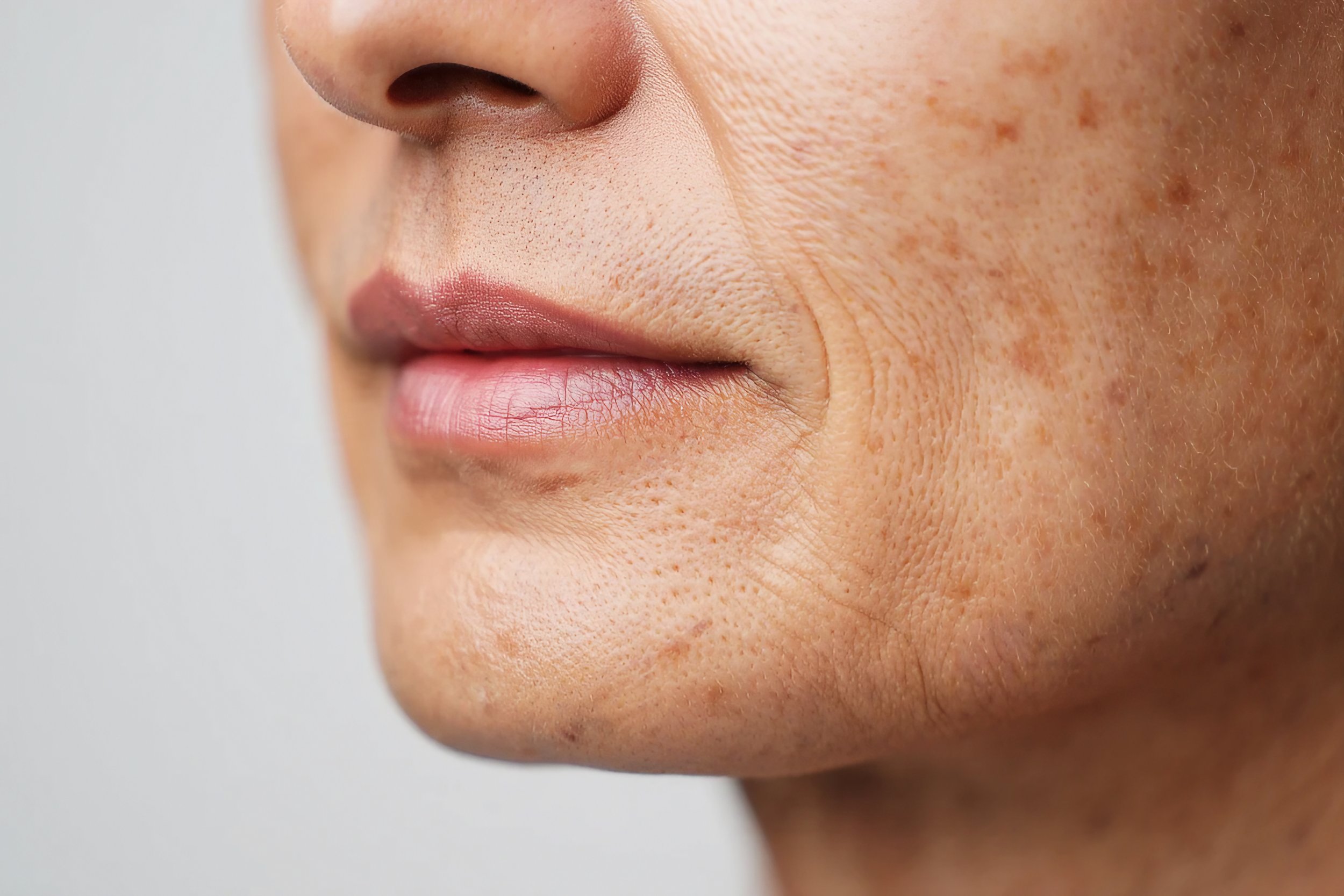
BioRePeel vs. Traditional Chemical Peels
Both treatments fall under the category of skin resurfacing treatments, but the experience and recovery can differ.
Downtime
Traditional chemical peels may involve visible peeling as the treated skin sheds old skin cells. With BioRePeel, peeling is typically minimal while still improving skin texture and tone.
Treatment Depth
Traditional peels range from light chemical treatments to deep peel procedures that affect deeper layers of skin. BioRePeel offers rejuvenation with less aggressive exfoliation.
Skin Concerns
Both treatments can address acne scars, uneven skin, sun damage, and fine lines. However, deeper peels may be recommended for severe acne scars, deep scars, or advanced skin imperfections.
Skin Types
BioRePeel is often suitable for a wider variety of skin types, including some darker skin tones, where aggressive resurfacing could cause post inflammatory hyperpigmentation.
How Chemical Peels Compare to Laser Skin Treatments
Many clients also ask about laser skin resurfacing or laser treatment options.
Laser skin resurfacing uses pulses of light to revitalize the skin and stimulate collagen production. Treatments such as fractional laser, ablative laser, or intense pulsed light can also improve skin texture, reduce age spots, and treat sun damage. Ablative lasers remove outer layers of skin and encourage new skin to heal in its place, and can also be used to treat certain skin conditions, including some types of precancerous growths. Non-ablative lasers work by heating the skin below the surface to encourage new collagen growth without breaking the skin's surface. Intense pulsed light (IPL) therapy uses a broad spectrum of light wavelengths to treat skin problems and rejuvenate the complexion. Laser technology is also widely used for hair removal, offering long-lasting results for various areas of the body.
However, laser procedures may require more downtime and are typically used for more advanced skin concerns like sagging skin, deeper wrinkles, or significant pigmentation.
For many clients seeking refreshed skin without the intensity of laser resurfacing, chemical peels offer an excellent alternative.
Choosing the Right Peel for Your Skin
The right skin resurfacing treatment depends on several factors:
Your skin type
Your skin color
Specific skin concerns
History of sun exposure
Whether you are prone to post inflammatory hyperpigmentation
The size of the treatment area
A professional consultation allows an experienced provider to evaluate the treated area and recommend the safest and most effective approach.
Preparing for a Chemical Peel
Proper preparation helps ensure the best results.
Before your treatment, your provider may recommend:
Avoiding sun exposure
Pausing certain skin care products
Following a customized proper skin care routine
After the peel, protecting the treated skin from sunlight is essential to support healing and prevent pigmentation changes.
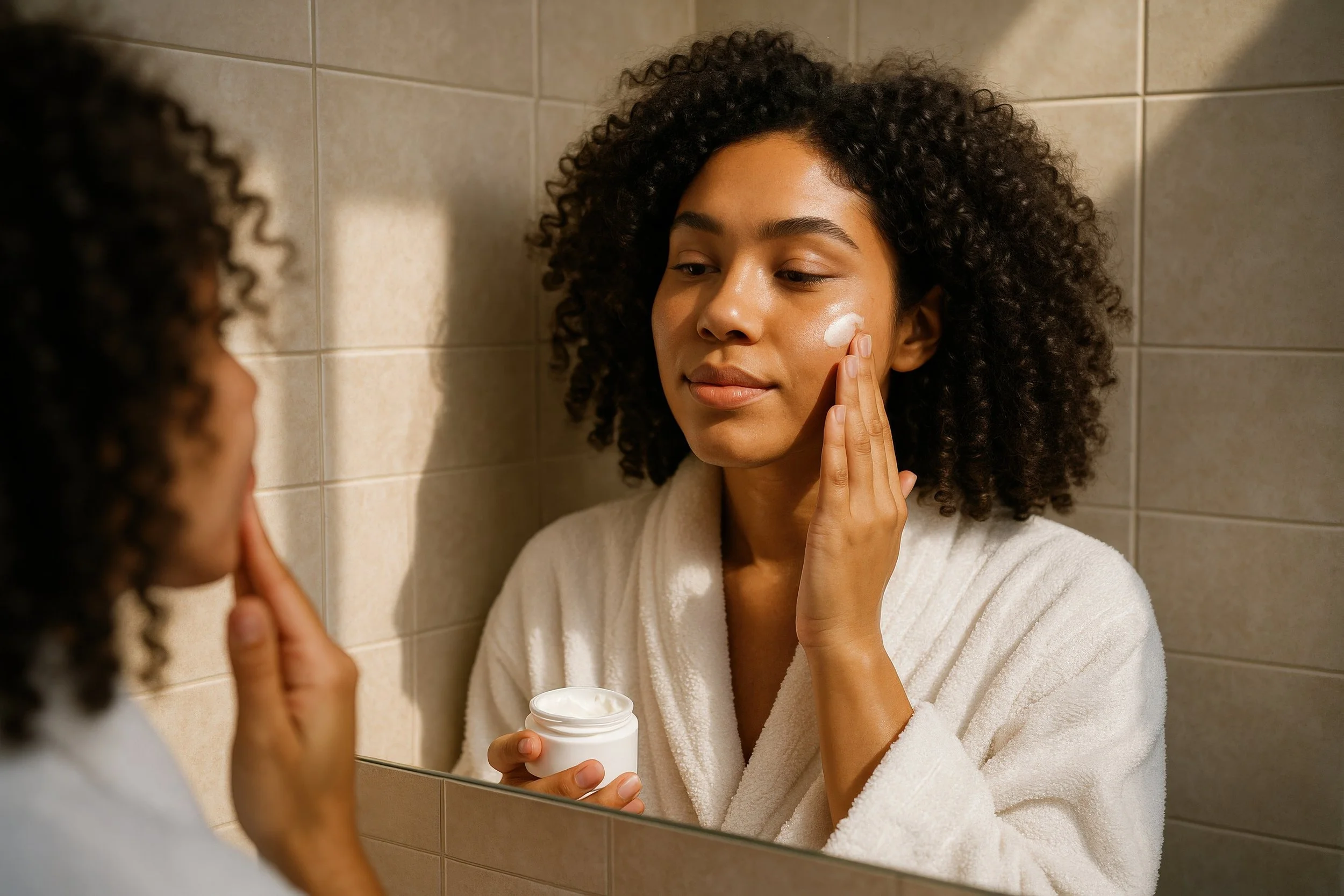
Risks and Side Effects
While chemical peels are generally safe when performed by experienced professionals, it’s important to be aware of potential risks and side effects. Most people experience mild redness, irritation, or sensitivity in the treated area, which usually subsides within a few days. However, more significant side effects can occur, such as infection, scarring, or changes in skin color. Individuals with darker skin tones may be at higher risk for post inflammatory hyperpigmentation, where the treated skin develops darker patches after healing.
To minimize these risks, it’s essential to follow your provider’s instructions for proper skin care both before and after your cosmetic treatment. Avoid sun exposure as much as possible, since UV rays can increase the likelihood of pigmentation changes and slow the healing process. If you have a history of cold sores, let your provider know, as a chemical peel can sometimes trigger an outbreak. Open communication about your medical history and any skin concerns will help your dermatologist or cosmetic surgeon tailor the treatment to your needs and reduce the chance of complications.
Chemical Peels at The Spa House
At The Spa House, we offer personalized skin care treatments designed to support healthier, more radiant skin.
Our team evaluates your skin concerns, discusses your goals, and recommends the best skin resurfacing treatment for your needs—whether that’s BioRePeel, a light chemical peel, or another rejuvenating cosmetic treatment.
Many of our clients begin treatments before special occasions to help reveal smoother skin, reduce skin imperfections, and restore a brighter, more youthful skin appearance.
Ready to Refresh Your Skin?
If you’re curious about BioRePeel or a traditional chemical peel, the best first step is a personalized consultation.
Schedule a consultation at The Spa House to discover which treatment can help reveal your healthiest, most radiant skin.