

If you’re considering injectable treatments for the first time, chances are you’ve said some version of this out loud:
“Okay… I think I need Botox? Or is it filler? What even is Jeuveau? And why does everyone online look either amazing or terrifying?”
You’re not behind. You’re not uninformed. You’re just new.
At The Spa House, we meet first-timers every day who want a smoother, more youthful appearance—but not a frozen face, inflated lips, or a “what did she do?” reaction from friends. This guide exists to clear the confusion, calm the nerves, and help you understand Botox vs. Jeuveau vs. fillers in a way that feels empowering, not intimidating.

Let’s Clear This Up First: Not All Injectables Do the Same Thing
Here’s the single most important thing first-timers need to know:
Botox and Jeuveau relax muscles.
Dermal fillers restore volume.
That’s it. That’s the fork in the road.
They’re both cosmetic injectables. They’re both nonsurgical treatments. They’re both outpatient procedures.
But they solve very different problems.
Botox & Jeuveau: The Art of Relaxing, Not Freezing
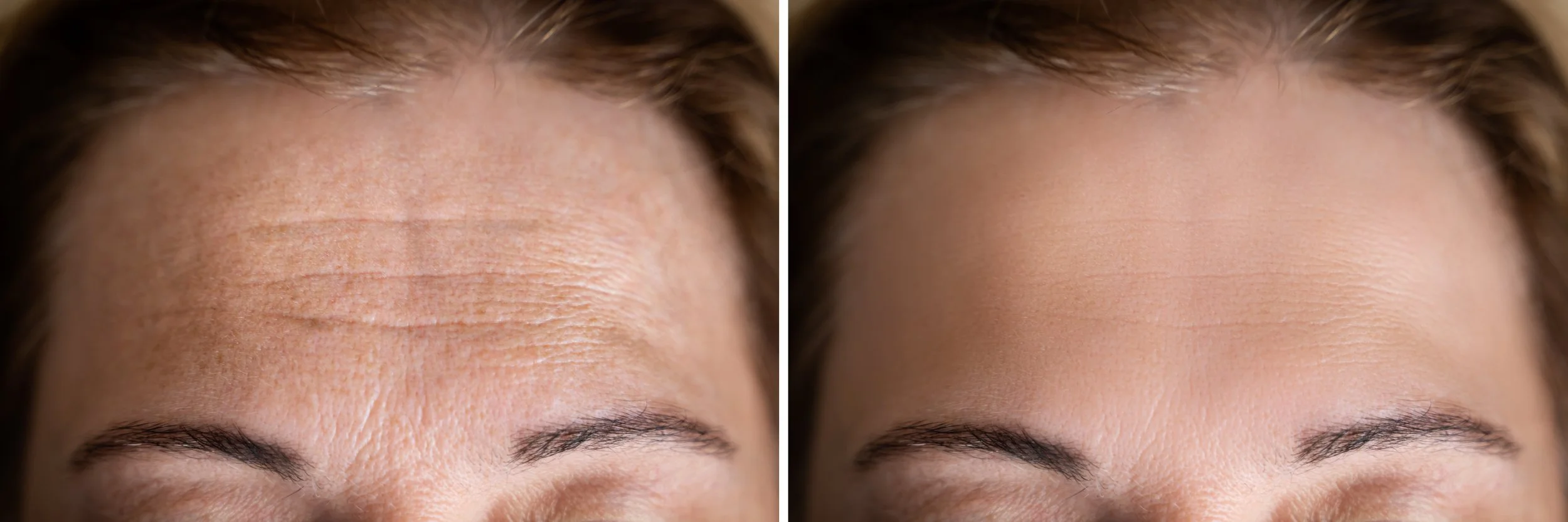
Botox and Jeuveau are neurotoxin injections made from botulinum toxin, a purified protein that temporarily blocks nerve signals to specific muscles. When those muscles relax, the skin above them smooths.
Think of it less like “paralyzing” and more like turning the volume down on overactive facial movements.
What Botox & Jeuveau Are Best At
Forehead lines
Frown lines (hello, 11s)
Crow’s feet
Vertical lines from repeated expressions
Excessive sweating (yes—this is an FDA-approved medical use)
These are called dynamic wrinkles—lines that appear because you move your face. If a wrinkle disappears when your face is at rest, Botox injections or Jeuveau are often the right solution.
Botox vs. Jeuveau: Do They Feel Different?
This is one of the most common questions we hear.
Botox has been around the longest and has extensive clinical trials and medical applications.
Jeuveau is newer, designed specifically for aesthetic use, and often feels slightly “lighter” to some patients.
Both are FDA approved, both are safe when administered correctly, and both can deliver incredibly natural-looking results. The truth? Your injector’s expertise matters far more than the brand.
Dermal Fillers: When Relaxing Isn’t Enough
Now let’s talk about dermal fillers, because this is where a lot of confusion—and fear—lives.
Dermal fillers don’t affect muscle movement at all. Instead, they are gel-like substances injected beneath the skin to:
Restore volume
Support facial structure
Smooth deep wrinkles
Smooth fine lines
Smooth wrinkles
Soften skin folds
Soften fine lines
Fill wrinkles
Most injectable fillers are made from hyaluronic acid, a substance your body naturally produces to keep skin plump and hydrated. A hyaluronic acid filler typically lasts 6 to 12 months before the body gradually absorbs the particles. The effects of most FDA-approved dermal fillers are temporary because they are made from materials that the body eventually breaks down and absorbs.
Calcium hydroxylapatite is a naturally occurring substance found primarily in bones and is used in fillers for deeper lines and wrinkles. Others—like calcium hydroxylapatite or poly-L-lactic acid—work by stimulating collagen production over time. Poly-L-lactic acid is a biodegradable synthetic substance that stimulates natural collagen production and is used for deeper facial wrinkles. Polymethylmethacrylate (PMMA) is a synthetic substance used in fillers that provides structural support beneath the skin.
It is important to choose a provider with extensive knowledge of facial anatomy and experience in performing filler injections.
What Dermal Fillers with Hyaluronic Acid Treat Beautifully
Smile lines and facial wrinkles
Vertical lip lines
Sagging skin
Jaw line definition
Acne scars
Facial volume loss
Double chin appearance
Deep wrinkles and skin folds
Fillers are not about making you look “done.” They’re about restoring what time, gravity, and genetics slowly take away.
Filler injections are a non-surgical option for treating these concerns and are performed in a clinical setting by experienced providers.

Types of Dermal Fillers: What Are Your Options?
When it comes to dermal fillers, you have more choices than ever before—each designed to address specific concerns and deliver natural-looking results. These gel-like substances are injected beneath the skin to restore lost volume, smooth lines and wrinkles, and enhance your facial contours. But not all fillers are created equal.
Hyaluronic acid fillers (like JUVÉDERM and Restylane) are among the most popular options. Hyaluronic acid is a naturally occurring substance in your skin that helps keep it plump and hydrated. These fillers are versatile, reversible, and typically last 6 to 18 months, making them a favorite for smoothing fine lines, filling wrinkles, and adding subtle volume.
Calcium hydroxylapatite fillers (such as Radiesse) use a mineral-like compound found in your bones. These are ideal for deeper wrinkles and skin folds, providing a firmer lift and lasting up to a year.
Poly-L-lactic acid fillers (like Sculptra) work a bit differently—they stimulate collagen production over time, gradually improving skin texture and volume for up to two years. This makes them a great choice for those seeking longer-lasting, natural rejuvenation.
PMMA fillers (such as Bellafill) are semi-permanent, using tiny microspheres suspended in a collagen gel. They’re often used for deep wrinkles and acne scars, offering results that can last several years.
With so many options, it’s important to work with a provider who understands the unique properties of each filler and can recommend the best choice for your goals, whether you want to smooth deep wrinkles, restore volume, or stimulate collagen production for a more youthful appearance.
“So… Botox or Fillers?” Let’s Make This Practical
Here’s how we explain it during consultations at The Spa House:
If the wrinkle moves when you move → neurotoxin injections
If the wrinkle is there all the time → dermal filler
If your face looks tired or hollow → injectable dermal fillers
If your concern is expression-related → Botox or Jeuveau
Many first-timers assume they need fillers when they actually need wrinkle relaxers—or vice versa. And many get the best results from a combination approach, customized to their facial features and goals.
What a First-Time Appointment Is Really Like
Let’s demystify this.
Injectable treatments at The Spa House are medical procedures, but they’re also incredibly thoughtful and personalized.
Before Anything Is Injected
We review:
Your medical history
Medical conditions (such as bleeding disorders and allergies)
Medications and supplements (especially blood thinners)
Lifestyle factors like drinking alcohol
Prior treatments or concerns
Your comfort level and goals
It is important to disclose your full medical history and any medications you are taking to ensure your safety.
During the consultation, your provider will also discuss potential side effects and recovery time.
Patients are typically advised to avoid strenuous activities and certain medications, including blood thinners and alcohol, before and after treatment.
Your injector evaluates facial movement, injection depth, facial balance, and treated areas—because every face tells a different story.
During Treatment
Before receiving any nonsurgical treatment, patients will have a consultation with their healthcare provider to discuss goals and areas of enhancement. The treatment area will be cleaned, and a topical anesthetic may be applied to minimize discomfort before the injections. Injectable treatments are typically performed in a healthcare provider's office or a medical spa.
A thin needle is used with precision to inject small amounts of filler under the skin, and the procedure can take a few minutes to an hour. Injection sites are mapped intentionally. Product placement is conservative and strategic. Comfort is prioritized throughout.
Results from injectable treatments can often be seen immediately after the procedure, but the duration of results varies by product and individual.
Most treatments take less than 30 minutes, and patients return to daily life immediately.
Choosing a Provider: Who Should You Trust With Your Face?
Your face deserves the best—so choosing the right provider for your dermal fillers is one of the most important decisions you’ll make. Experience in cosmetic dermatology is key, but so is a provider’s commitment to understanding your unique facial features and goals.
Look for a professional who is board-certified and has a proven track record with dermal fillers, including hyaluronic acid, calcium hydroxylapatite, and poly-L-lactic acid options. A reputable provider will take the time to listen to your concerns, assess your facial structure, and develop a personalized treatment plan that’s tailored just for you.
Don’t be afraid to ask about their training, certifications, and before-and-after photos of real patients. The right provider will welcome your questions and make you feel comfortable every step of the way. Remember, a thoughtful, individualized approach is what leads to the most natural and satisfying results—never a one-size-fits-all treatment plan.
Let’s Talk About the Fears (Because Everyone Has Them)
“Will I look frozen?”
No—unless overdone. Proper dosing preserves expression while smoothing fine lines.
“Will people know I had something done?”
They’ll notice smoother skin, rested features, and a more youthful appearance—not a dramatic change.
“What if I don’t like it?”
Hyaluronic acid fillers can be adjusted or dissolved. Botox and Jeuveau naturally wear off. Patients should be aware that it may be difficult or impossible to remove some filler materials if they wish to have them reduced or removed.
“Is this safe?”
When performed with Food and Drug Administration (FDA)-approved dermal fillers by trained professionals, risks are low. Common side effects of dermal fillers include swelling and bruising, which usually resolve in a few days to weeks. After receiving dermal filler injections, you may experience bruising, swelling, or discomfort, which usually resolves in a few days. Temporary redness, bleeding, swelling, itching, or bruising of the treatment area can occur after receiving injections. Accidental injection of dermal fillers into a blood vessel can cause serious complications such as skin necrosis, stroke, or blindness. Rare complications—like allergic reaction, accidental injection into a blood vessel, or skin necrosis—are minimized with expert technique and anatomical knowledge. Following your provider's recommendations closely can help achieve the best possible results after your filler procedure.
Dermal filler do's:
Always choose a qualified, licensed healthcare provider for your dermal filler procedure.
Ensure your provider uses FDA-approved products.
Discuss all potential risks and side effects before treatment.
Follow all aftercare instructions provided by your practitioner.
What Makes Results Look Natural (and Not Overdone)
This is where experience matters.
Natural-looking results come from:
Correct injection depth
Respecting facial anatomy
Understanding facial movement
Knowing when to stop
Prioritizing balance over trends
At The Spa House, our goal is smoother skin—not a different face.
Treatment Recovery and Aftercare: What to Expect Next
After your dermal filler procedure, a little TLC goes a long way toward ensuring a smooth recovery and beautiful results. It’s normal to experience some mild swelling, redness, or bruising at the injection site—these side effects are usually temporary and can be eased with a cold compress or gentle massage, as recommended by your provider.
To minimize the risk of complications, avoid strenuous exercise, alcohol, and blood thinners for a few days after your treatment. Keep the treated area clean and resist the urge to touch or rub it. Your provider may schedule a follow-up appointment to check your progress and answer any questions.
While serious side effects like skin necrosis or allergic reactions are rare, choosing a qualified provider and following their aftercare instructions is the best way to protect your results and your health. If you notice anything unusual, such as severe pain or discoloration, contact your provider right away.
Cost and Maintenance: What You Need to Know Before You Book
Understanding the cost and upkeep of dermal fillers helps you plan for your best results—without surprises. The price of your treatment depends on the type of filler, the treatment area, and how much product is needed to achieve your goals.
Keep in mind that maintaining your youthful appearance often requires touch-up sessions, so factor ongoing maintenance into your budget.
Before you book, have an open conversation with your provider about the total cost, how long results typically last, and what kind of personalized treatment plan will work best for you. Some clinics offer package deals or discounts for multiple sessions, so don’t hesitate to ask about promotions that can help you save while keeping your results fresh.
So… What’s the Right Choice for You?
Botox and Jeuveau are designed to soften expression-based lines—the wrinkles that show up when your face moves. Dermal fillers do something entirely different: they restore volume, support structure, and smooth deeper lines caused by time and natural collagen loss.
In addition to traditional fillers, facial fat grafting (also known as fat grafting or fat injections) is an outpatient procedure that involves harvesting fat cells from another area of the body and injecting them into the face to restore volume. Autologous fat injections are FDA-approved and are one of several types of dermal fillers, along with hyaluronic acid, calcium hydroxylapatite, polymethylmethacrylate, and poly-L-lactic acid.
Used thoughtfully, these treatments aren’t about changing your face. They’re about helping you look refreshed, rested, and confidently like yourself—without plastic surgery or downtime.
If you’re new to injectable treatments, the most important decision isn’t which product to choose. It’s choosing a provider who takes the time to listen, explain your options clearly, and create a treatment plan tailored to your face—not a trend.
Ready When You Are—No Pressure, No Guesswork
If you’re curious about Botox vs. Jeuveau vs. fillers, we’re here to guide you with honesty, expertise, and a conservative approach that puts your comfort first.
Call and schedule a consultation at The Spa House at 770-675-3859.
Personalized treatment plans. Natural-looking results. Confidence you can feel good about.